
Commercial Rooftop Solar
One-stop on-grid PV solution — turn your commercial rooftop into a revenue-generating clean energy asset with Livoltek Africa's end-to-end solar systems.
Livoltek offers commercial and industrial on-grid PV solutions for EPCs, developers, and owner-operators. We harness roof resources effectively with strong technical expertise and optimised designs that ensure high-current PV module compatibility, driving new revenue streams and enhancing project value.
Solution Configurations
Choose the right configuration for your use case.
C&I On-Grid PV System
Grid-tied rooftop solar using high-efficiency three-phase inverters (4–125kW) with smart metering and cloud monitoring. Ideal for businesses wanting to offset grid consumption and reduce electricity bills.
Multi-Roof Portfolio
Scalable solar deployments across multiple commercial properties with centralised monitoring, enabling property developers and REITs to maximise returns across their portfolio.
Self-Consumption Optimisation
Maximise on-site solar consumption through intelligent energy metering and load matching, reducing grid export and maximising savings under net-metering or self-consumption tariff structures.
System Architecture
See how each solution tier is designed and connected.
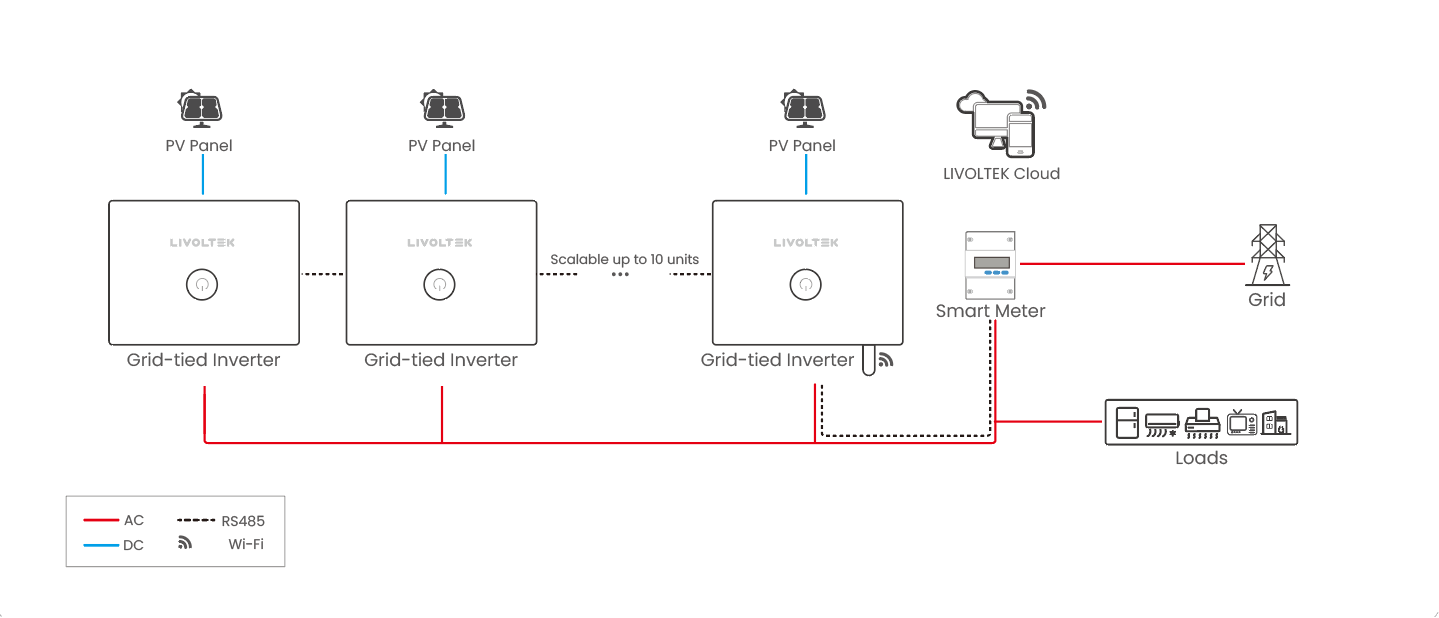
C&I On-Grid PV System Architecture
Commercial on-grid PV topology showing grid-tied inverters, smart metering, and cloud monitoring integration.
Key Features
- Custom system design from 30kW to multi-MW scale
- High-current PV module compatibility for maximum yield
- Three-phase grid-tied inverters from 4kW to 125kW
- Smart energy metering with three-phase meters
- Stick logger with IP65 rating for remote monitoring
- Professional structural assessment and reinforcement
- Grid connection and utility coordination
- Performance monitoring and O&M via cloud platform
Related Products
Explore the products that power this solution.
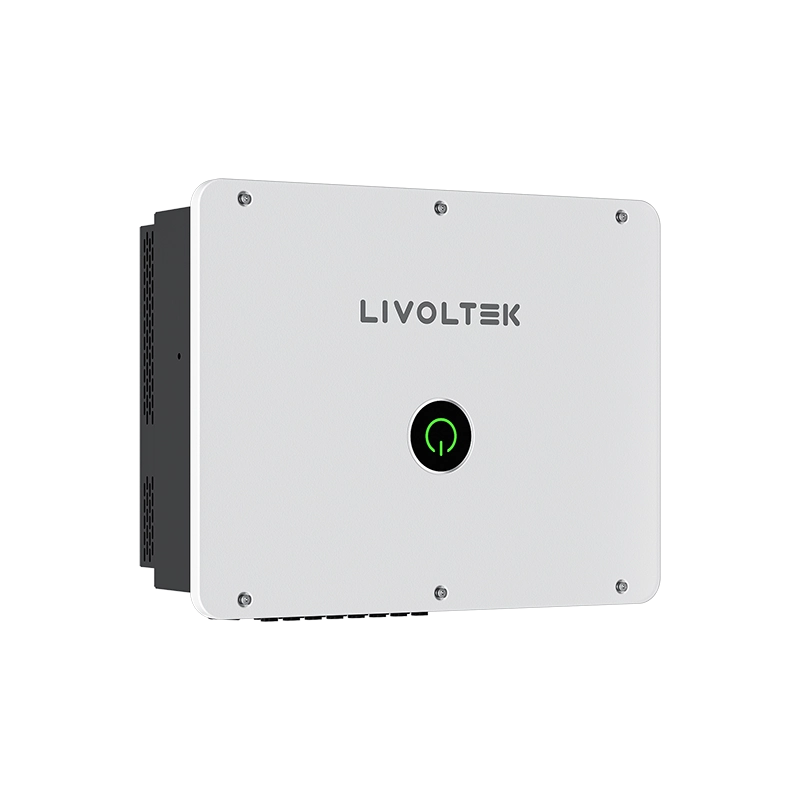
Grid-Tied Inverter GT3 30–60kW
Three-phase commercial grid-tied solar inverter for medium-scale rooftop installations.
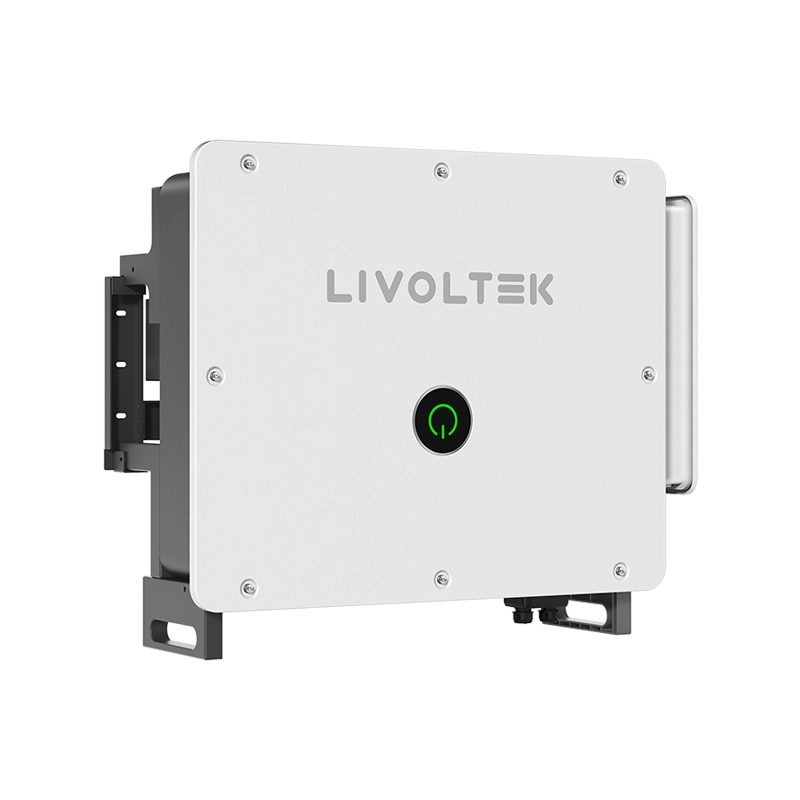
Grid-Tied Inverter GT3 4–25kW
Three-phase grid-tied inverter for small to medium commercial rooftop solar systems.

Grid-Tied Inverter GT1 7–10kW
Single-phase grid-tied inverter for smaller commercial and light-industrial applications.
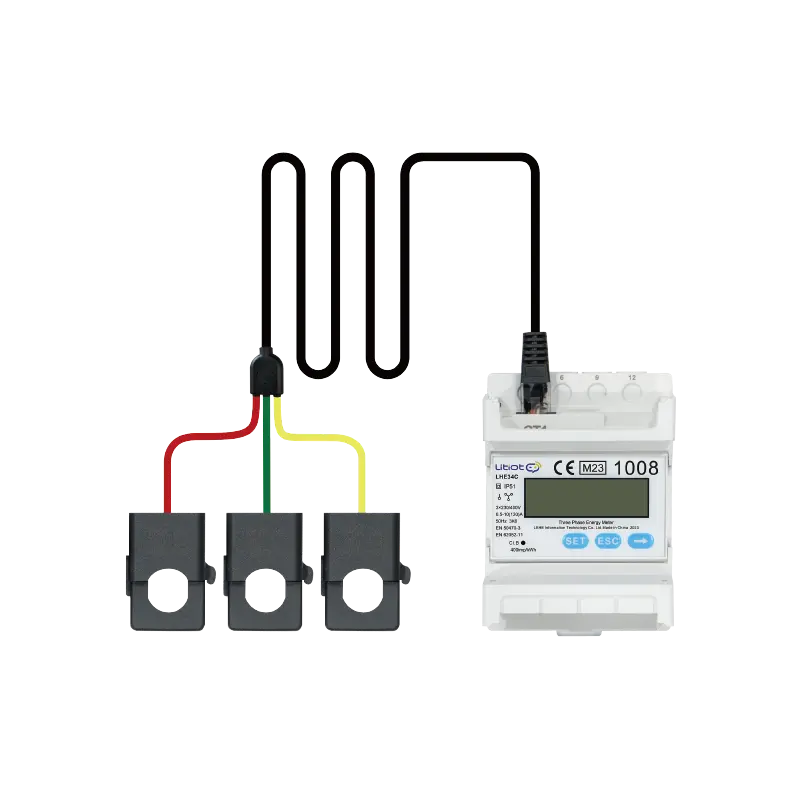
New Energy Meter LHE34C
Three-phase four-wire smart energy meter for precise generation and consumption monitoring.
Why Choose This Solution
Ideal For
Frequently Asked Questions
How much roof space do I need for commercial solar panels?
The required roof space depends on your energy consumption and system size. As a general guide, 1 kWp of solar capacity requires approximately 5–7 m² of roof space. A typical 100kW system would need around 500–700 m² of unshaded roof area.
What is the typical payback period for commercial rooftop solar in Africa?
Most commercial rooftop solar systems in Africa achieve payback within 3–5 years, depending on electricity tariffs, solar irradiation levels, system size, and financing structure. With rising electricity costs across the continent, payback periods are shortening.
Will solar panels damage my roof?
No — when installed correctly by certified professionals, solar panels actually protect the roof membrane from UV degradation and weathering, potentially extending roof life.
What size grid-tied inverter do I need?
Inverter sizing depends on your PV array capacity and grid connection allowance. Livoltek offers three-phase grid-tied inverters from 4kW to 125kW that can be paralleled for larger systems. Our engineering team will recommend the optimal configuration during the site assessment.
Do you provide monitoring after installation?
Yes. Every system includes a stick logger with IP65 protection for remote monitoring via our cloud platform. You can track generation, consumption, and system health in real time from any device.
Get a Custom Rooftop Solar Design
Our engineering team will assess your rooftop, model your energy consumption, and design a system that maximises your return on investment.