Everything you need to know about switching to solar power in South Africa, from system sizing to financing options.
Introduction to Solar Energy in South Africa
South Africa is experiencing a solar revolution. With abundant sunshine averaging 2,500 hours per year and ongoing energy challenges, there's never been a better time to invest in solar power for your home or business.
Why Go Solar in 2026?
1. Energy Independence
Load shedding has become a regular occurrence, making reliable power more valuable than ever. Solar panels with battery storage provide energy independence, ensuring your lights stay on when the grid goes down.
2. Financial Savings
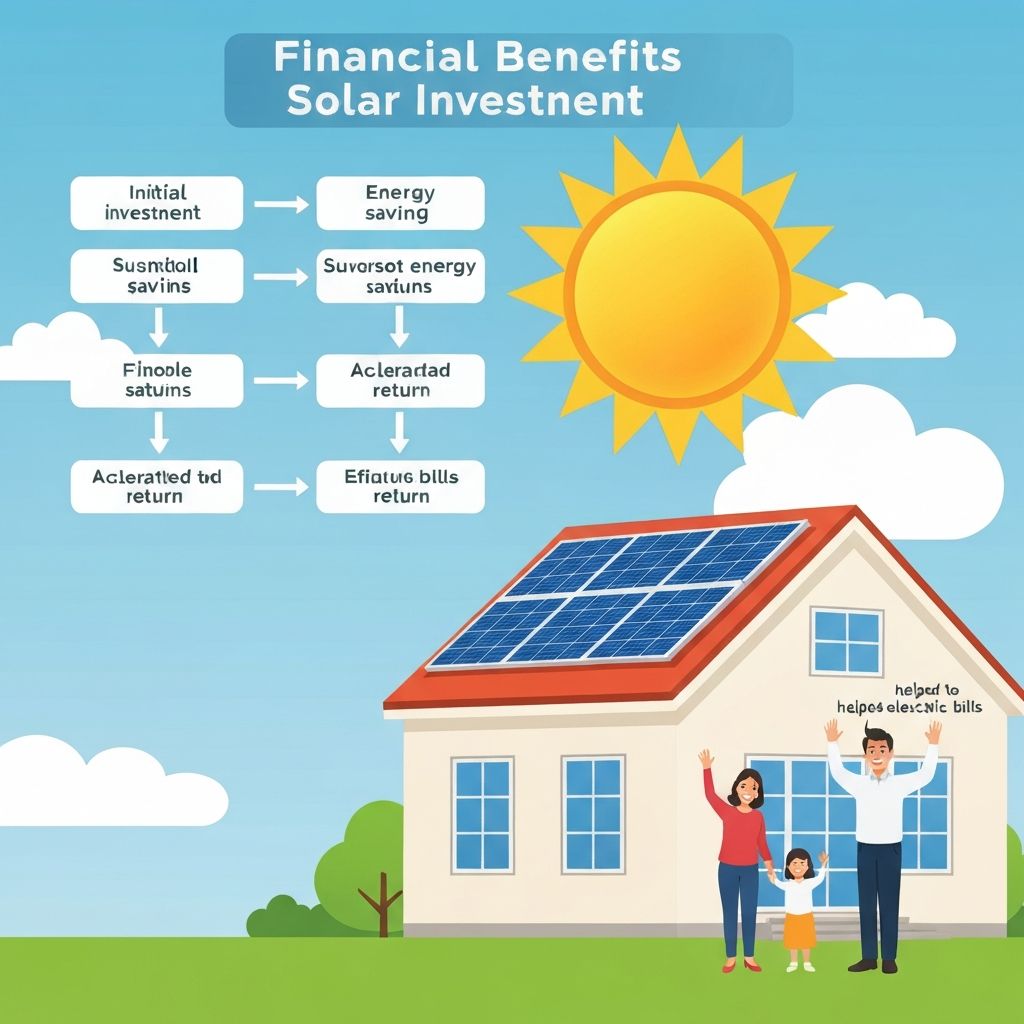
The average South African household can save between R2,000 and R5,000 per month on electricity bills with a properly sized solar system. With electricity prices continuing to rise, these savings will only increase over time.
3. Environmental Impact
By switching to solar, a typical home can reduce its carbon footprint by 3-4 tonnes of CO2 annually. This is equivalent to planting approximately 100 trees every year.
Understanding Your Solar Options
Grid-Tied Systems
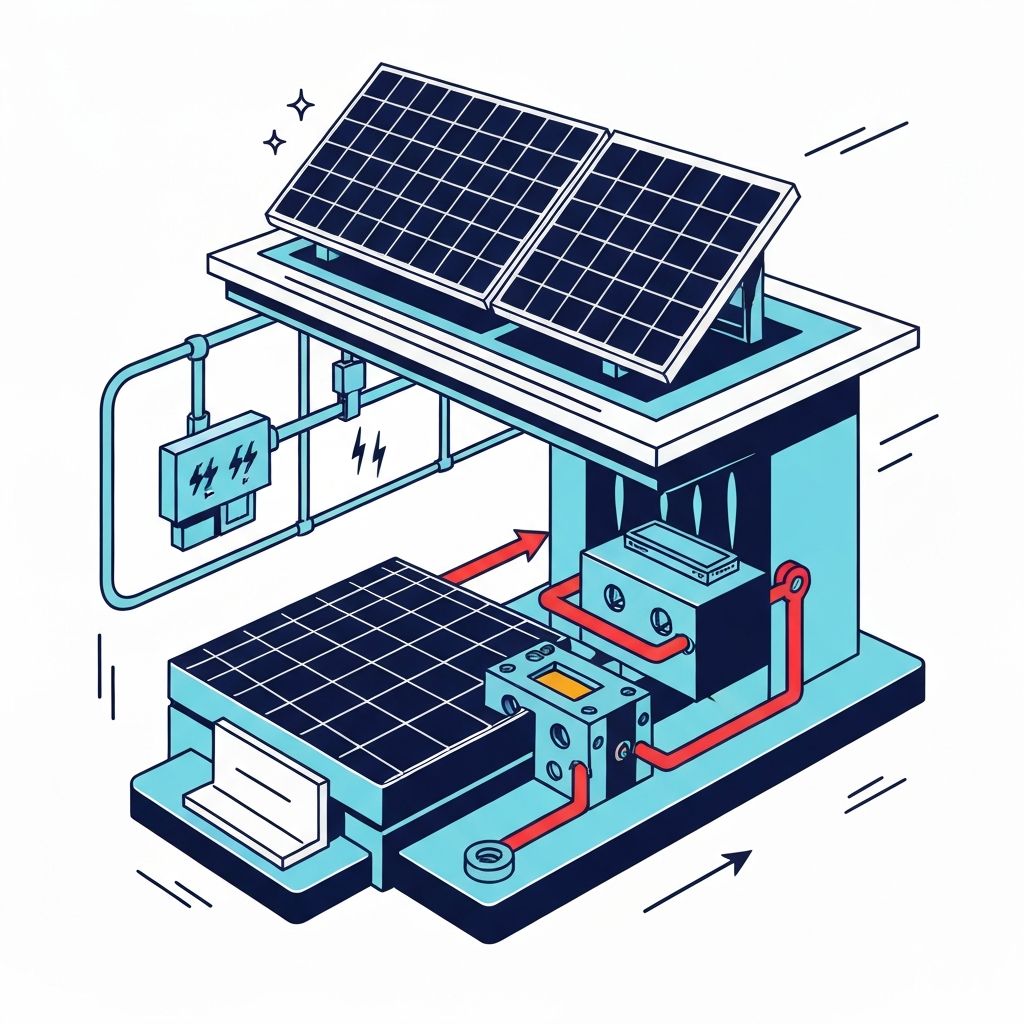
These systems connect to the municipal grid and can feed excess power back to Eskom (where net metering is available). They're the most cost-effective option but don't provide power during load shedding without battery backup.
Hybrid Systems
Hybrid systems combine grid connection with battery storage, giving you the best of both worlds. You can store excess solar power for use during load shedding or peak rate hours.
Off-Grid Systems
For remote locations or those seeking complete independence from the grid, off-grid systems provide all your power needs from solar and batteries alone.
How to Size Your System
- **Review your electricity bills** - Look at your average monthly kWh consumption