Exploring the surge in solar installations as South Africans seek energy independence.
The Load Shedding Crisis
Load shedding has become an unfortunate reality for South Africans. With stages ranging from 1 to 8, households and businesses have experienced power outages that can last for hours at a time, multiple times per day.
A Silver Lining: The Solar Boom
What started as a crisis has sparked a renewable energy revolution. Solar installations have increased by over 300% in the past two years, with South Africans taking energy matters into their own hands.
Key Statistics
- **68%** of solar buyers cite load shedding as their primary motivation
- **R20 billion** invested in residential solar in 2025
- **Average payback period** has decreased to 4-5 years
- **Property values** increase by 4-8% with solar installations
Beyond Load Shedding: The Economic Case
While load shedding may have been the catalyst, the economics of solar now stand on their own merits:
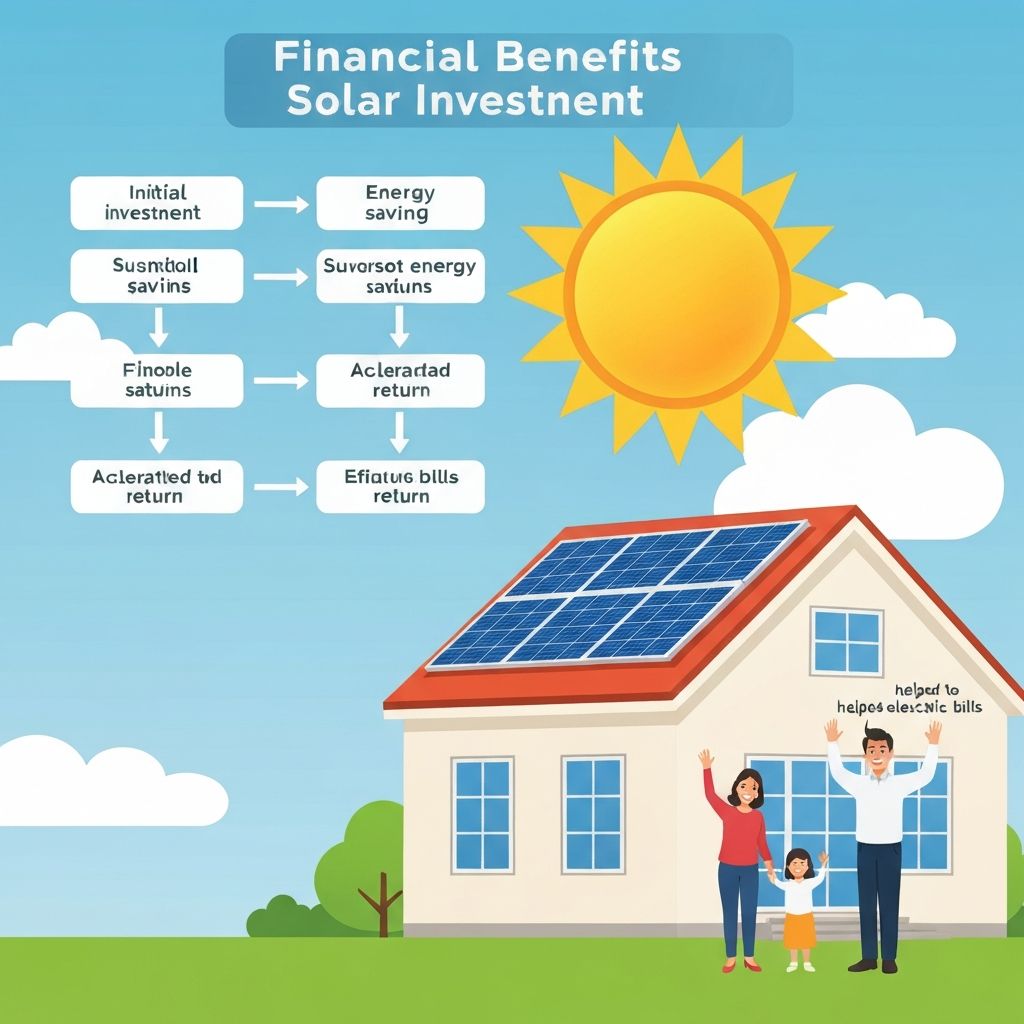
- **Rising electricity costs** - Eskom tariffs have increased by an average of 15% annually
- **Decreasing solar costs** - Panel prices have dropped 80% over the past decade
- **Battery technology improvements** - Lithium-ion batteries are now more affordable and longer-lasting
- **Government incentives** - Tax breaks and rebates make solar even more attractive
The Future of Energy in South Africa
Experts predict that by 2030, residential solar will be the primary source of electricity for middle and upper-income South African households. The combination of grid instability, rising costs, and improving technology makes this transition inevitable.
Take Action Today
Don't wait for the next round of load shedding to make your decision. [Calculate your potential savings](/solar-calculator) and take the first step toward energy independence.