
The Definitive Guide to Commercial & Industrial Solar for African Businesses in 2026
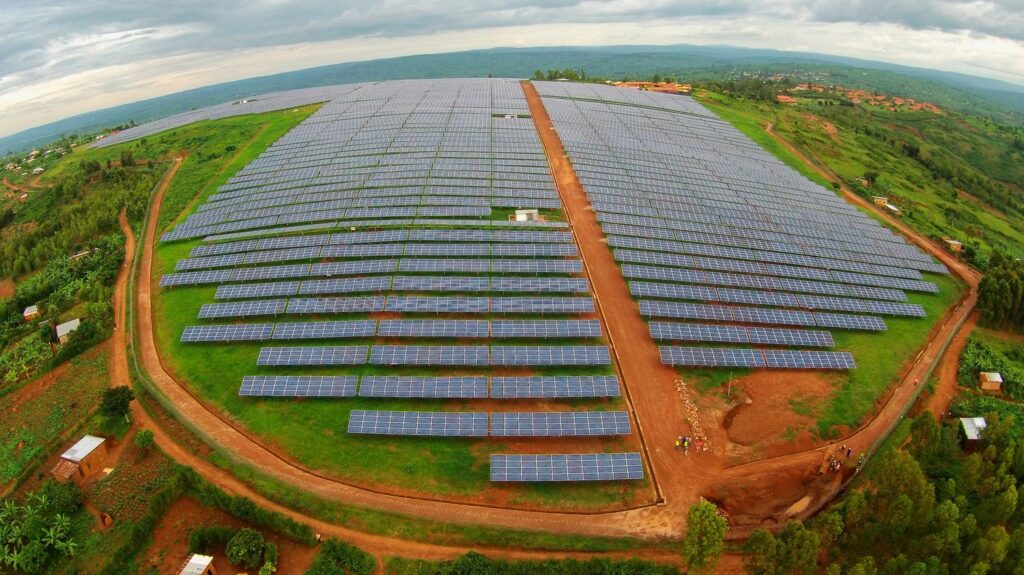
Africa stands at an unprecedented energy crossroads. With electricity tariff increases across the SADC region accelerating at double-digit rates, and grid reliability continuing to challenge commercial operations, the business case for commercial solar has never been more compelling. This guide is designed for industrial, utility, and commercial decision-makers ready to take control of their energy future. Whether you manage a warehouse in Johannesburg, a factory in Nairobi, or a retail centre in Lagos, the strategies outlined here will equip you with the insight needed to make confident, informed decisions about solar energy for your business.
Key Insight: South Africa alone has seen over 5 GW of solar PV capacity installed, with the C&I solar market in Sub-Saharan Africa growing at over 30% CAGR. Businesses that move now capture the greatest long-term savings and energy security.
1. The State of Solar Energy in South Africa and the SADC Region
The renewable energy landscape in South Africa and across the broader SADC region has transformed dramatically. The solar industry in South Africa in 2026 is defined by record installations, falling technology costs, and an increasingly supportive regulatory environment. The IRP 2019 targets and subsequent policy updates commit South Africa to adding significant solar PV capacity over the next decade, creating vast opportunities for businesses seeking clean energy alternatives.
The electricity crisis in South Africa has been a catalyst for commercial solar adoption. While Eskom load shedding has disrupted operations across the country, it has simultaneously exposed the vulnerability of relying solely on the national grid. Forward-thinking businesses now view solar power in Africa not just as a cost-saving measure, but as a strategic imperative for energy security in South Africa and operational continuity.
Solar Market Dynamics Across Africa
The solar market in Africa extends well beyond South Africa. Countries including Namibia, Botswana, Zimbabwe, Zambia, Tanzania, Mozambique, Kenya, Nigeria, Ghana, Uganda, Ethiopia, Senegal, Rwanda, Ivory Coast, the DRC, Egypt, Morocco, and Angola are all experiencing rapid growth in solar adoption. The solar irradiance across the African continent is among the highest in the world, with the Africa solar potential map showing most regions receiving between 1,800 and 2,500 kWh per square metre annually. This extraordinary resource makes photovoltaic systems one of the most economically attractive renewable energy options on the planet.
The commercial solar growth across Africa in 2026 is driven by several converging factors: rising electricity costs, improving solar technology, declining component prices, and increasing availability of solar project financing in Africa. Whether through solar power purchase agreements in South Africa, solar lease arrangements, or direct ownership, businesses of all sizes now have viable pathways to solar adoption. The C&I solar market in Sub-Saharan Africa is attracting attention from international investors and equipment suppliers alike.
2. Why Commercial Solar Is Now a Strategic Imperative
The question facing business leaders across Africa is no longer whether to go solar, but how quickly they can implement it. The Eskom tariff increase makes the solar alternative more attractive with every billing cycle. Businesses that reduce their electricity bill with solar in South Africa are not just saving money—they are building competitive advantage and demonstrating climate leadership.
The Load Shedding Business Case
A load shedding solution in South Africa using commercial solar provides both immediate cost relief and long-term energy independence. When grid power fails, businesses with solar installations and backup power solutions continue operating while competitors shut down. The power outage solution for commercial operations in South Africa has evolved from simple diesel generators to sophisticated solar-plus-storage systems that deliver cleaner, cheaper, and more reliable power.
The load shedding battery backup has become essential infrastructure for South African businesses. Combined with a rooftop solar installation, these systems can provide uninterrupted power supply through solar, eliminating costly diesel generators and their associated fuel, maintenance, and emissions overhead.
Benefits of Solar Energy for Business in Africa
The benefits of solar energy for business in Africa extend far beyond simple electricity cost savings. Key advantages include dramatically reduced operating expenses, protection against future tariff increases, enhanced energy security, reduced carbon footprint, improved ESG credentials, and increased property value. For businesses pursuing green building certification in South Africa or working toward net zero building status, commercial rooftop solar is often the single most impactful intervention available.
From a carbon footprint reduction perspective, solar energy in Africa allows businesses to quantify and report meaningful reductions in Scope 2 emissions. This is increasingly important as customers, investors, and regulators demand greater transparency around ESG and solar energy performance. Sustainable energy adoption in South Africa is no longer optional for businesses that wish to remain competitive in global supply chains.
CFO Note: A typical 500 kWp commercial rooftop solar system in South Africa delivers a levelized cost of energy (LCOE) of R0.60–R0.85/kWh, well below Eskom’s current commercial tariff. With Section 12B accelerated depreciation and solar tax benefits, payback periods of 3–4 years are achievable.
3. Choosing the Right Solar Panels for Commercial and Industrial Applications
Selecting the right solar panels for business in South Africa requires understanding the technology landscape and the specific demands of C&I environments. Browse the full range of Livoltek solar panels to compare specifications for African conditions.
Solar Panel Technologies for Africa
The latest generation of high efficiency solar panels for Africa includes N-type solar panels in South Africa, TOPCon solar panels across Africa, and advanced bifacial solar panels that capture light from both sides of the module. These technologies have pushed module efficiencies well above 21%, and in the case of TOPCon modules, beyond 22%. For industrial solar panels in Africa, higher efficiency translates directly to more power per square metre of available roof space—a critical consideration for warehouses, factories, and commercial buildings with limited rooftop area.
Monocrystalline solar panels remain the standard for commercial applications, while PERC solar panels in Africa continue to offer excellent value. Half-cut cell solar panels improve performance under partial shading, which is common on complex commercial rooftops. Dual glass solar panels offer enhanced durability in harsh African conditions, including high temperatures, dust, and humidity. Understanding commercial solar panel specifications and solar panel warranty coverage in South Africa is essential before procurement.
Procurement: Solar Panel Suppliers and Distributors
When sourcing commercial solar panels in South Africa, working with a reputable solar panels supplier in South Africa or solar panel distributor across Africa is essential. The solar panel price in South Africa varies considerably based on technology, volume, and supply chain factors. A trusted solar PV modules provider will offer bankable products with comprehensive solar panel warranty coverage, local technical support, and competitive solar panel kWp pricing. For large-scale procurement, solar panels wholesale options in Africa can significantly reduce per-watt costs. Solar panel mounting systems in Africa must be engineered for local wind loads, roof types, and environmental conditions.
4. Rooftop Solar Installation for Commercial and Industrial Facilities
Commercial rooftop solar in South Africa represents the fastest-growing segment of the C&I solar market. Livoltek’s turnkey commercial rooftop solar solutions cover warehouses, factories, office buildings, retail centres, hotels, hospitals, schools, and more.
Site-Specific Applications
Every commercial solar installation is unique. A warehouse rooftop solar installation maximises the large, unobstructed roof area typical of logistics and distribution facilities. Factory rooftop solar in South Africa addresses high daytime energy consumption, making solar self-consumption rates exceptionally favourable. Office building solar installation benefits from the strong correlation between solar generation and business-hours electricity demand. Retail centre and shopping centre solar installations benefit from visible sustainability commitments that resonate with environmentally conscious consumers.
Specialised applications are growing rapidly: solar for hotels in South Africa, solar for hospitals, solar for schools, solar for cold storage facilities, solar for agricultural processing, solar for breweries, solar for food processing plants, solar for textile factories, solar for water treatment plants, solar for car dealerships, solar for supermarkets, and solar for pharmaceutical factories in Africa each require tailored system designs from an experienced solar EPC company in Africa.
The Solar Installation Process
Understanding how to go solar for commercial operations in South Africa begins with a solar feasibility study and solar site assessment. The steps to install commercial solar in South Africa typically include an initial solar energy audit, commercial solar system design, engineering, procurement, installation, SSEG registration in South Africa, grid connection, and PV system commissioning. The SSEG application process in South Africa has been streamlined in recent years, though requirements vary by municipality.
Engaging a qualified solar EPC in South Africa or solar EPC company in Africa ensures every phase is managed professionally. A reputable solar installer in South Africa, renewable energy installer, or PV system installer will handle all rooftop solar permits, grid connection requirements for solar in South Africa, and compliance with embedded generation regulations. Commercial solar system design and rooftop solar system sizing must account for available roof area, structural capacity, energy consumption patterns, and the desired level of solar self-consumption. Solar system design software and solar energy yield calculation tools help engineers optimise layout based on local solar irradiation data for South Africa.
Sizing Guide: As a rough guide, 1 kWp of commercial solar in South Africa requires approximately 5–6 m² of roof area and generates 1,500–1,800 kWh per year, depending on location, orientation, and system losses.
5. Choosing the Right Solar Solutions Provider in Africa
Selecting the right solar solutions provider in Africa is one of the most important decisions in your solar journey. The best solar companies in South Africa offer end-to-end solar solutions, from initial feasibility through to ongoing operations and maintenance. When evaluating a solar company in South Africa—or across the region including solar companies in Kenya, Nigeria, Ghana, Ethiopia, and beyond—consider their track record, product portfolio, after-sales support capability, and financial stability.
What Sets Leading Providers Apart
A top-tier solar energy company should offer an integrated energy solution for Africa, encompassing solar panels, inverters, energy storage, monitoring, and EV charging. This end-to-end solar solution approach simplifies procurement and reduces integration risk. Review Livoltek Africa’s product portfolio and real-world case studies including the Ferrero solar project in South Africa and the ERS microgrid case study for proven examples of commercial solar success stories across Africa.
After-sales support is critical. The best solar products in South Africa come with comprehensive warranty coverage, local spare parts availability, and responsive solar after-sales support across Africa. Solar O&M services in South Africa—including preventive maintenance, remote monitoring, and solar inverter repair—ensure your system continues to perform at its peak over its 25+ year lifetime. A good commercial solar maintenance contract in South Africa includes regular inspections, solar panel cleaning, performance reporting, and guaranteed response times.
Industry Rankings and Reputation
When researching the top 10 solar companies in South Africa or top solar inverter brands in Africa for 2026, look beyond marketing claims. Examine actual installed capacity, customer references, product certifications, and industry reputation. The best solar EPC providers in South Africa combine deep technical expertise with strong supplier relationships and a commitment to quality that extends well beyond the installation date.
6. Navigating the Regulatory and Policy Landscape
SSEG Registration and Grid Connection
Small-Scale Embedded Generation (SSEG) registration in South Africa is required for grid-connected solar installations. Grid connection requirements for solar in South Africa are governed by NRS 097 and related standards. Net metering in South Africa, feed-in tariffs for solar, and wheeling of solar energy are all mechanisms that allow businesses to maximise the value of their solar generation. Solar self-consumption for commercial operations remains the most common and financially attractive model.
IRP 2019 and Renewable Energy Targets
The IRP 2019 for South Africa sets ambitious renewable energy targets creating significant opportunities for commercial and industrial solar. NERSA solar registration, the REIPPPP, and solar tender processes in South Africa are all driving growth. The solar IPP framework allows larger commercial generators to sell excess power back to the grid. Renewable energy procurement and renewable energy certificates in South Africa provide structured pathways for utility-scale investments and carbon credit opportunities from solar projects in Africa.
Tax Incentives and Financial Benefits
Section 12B tax incentive for solar in South Africa allows businesses to claim accelerated depreciation on solar assets, significantly improving cash flow and shortening payback periods. Commercial solar tax benefits in South Africa, combined with declining technology costs, make the ROI case for industrial solar stronger than ever. For detailed financial analysis, tools such as a solar energy savings calculator, solar ROI calculator, or commercial solar payback calculator for South Africa can model project-specific returns.
7. Monitoring, Maintenance, and Ongoing Performance
A commercial solar system is a 25+ year asset. Protecting that investment requires robust monitoring. Explore Livoltek’s monitoring systems for real-time visibility into system performance.
A comprehensive solar monitoring system in Africa provides real-time visibility into energy generation and fault detection. PV monitoring systems in South Africa have evolved from basic solar data loggers to sophisticated cloud-based solar monitoring platforms that enable remote solar monitoring across Africa. The best solar plant monitoring software provides energy management capabilities for commercial operations, including solar O&M monitoring, predictive maintenance alerts, and detailed solar system performance analytics.
Smart energy management in Africa leverages IoT solar monitoring technology, WiFi monitoring dongles, smart meters, and real-time energy monitoring systems to deliver granular insight into performance. Energy yield monitoring, fault detection, and solar inverter monitoring apps help identify issues before they impact returns. Solar battery state of charge monitoring and energy dashboards for commercial solar complete the picture. Solar panel maintenance for commercial systems includes regular cleaning, visual inspections, thermal imaging, and electrical testing. Solar inverter maintenance in South Africa should follow manufacturer guidelines, with particular attention to firmware updates and connection integrity. Remote troubleshooting of solar systems and understanding common solar inverter error codes helps maintenance teams respond quickly.
8. Industry Resources, Training, and Events
Staying current with the solar industry requires engagement with industry events and professional development. Solar Storage Live Africa 2026, Africa Energy Indaba, and solar exhibitions in South Africa provide valuable networking and knowledge-sharing opportunities. Solar training in South Africa and solar installer certification programmes ensure that the growing workforce is equipped with the skills needed to deliver high-quality installations.
For technical resources, solar inverter datasheet downloads and solar battery datasheet downloads from manufacturers like Livoltek provide the specifications needed for system design and comparison. Solar product catalogues for Africa, commercial solar proposal templates, and solar system wiring diagrams for commercial installations support the design and procurement process. Solar energy white papers and solar project portfolio documentation demonstrate provider capability and thought leadership.
Explore Livoltek Africa’s full resource library for datasheets, case studies, and technical documentation, or request a free proposal tailored to your facility.
Related Reading from Livoltek Africa
Livoltek Solar Inverters — Full Product Range
Livoltek Energy Storage Systems
Commercial Rooftop Solar Solutions
Industrial Energy Storage Solutions
Electricity Tariff Increases: What the 2026 Rise Means
Solar Energy for Property Developers
Industrial Solar ROI Calculator
Sources & Further Reading
South African Photovoltaic Industry Association (SAPVIA) — Industry body for South African solar
SADC — Southern African Development Community — Regional economic community
NERSA — National Energy Regulator of South Africa — Energy regulatory authority
GreenCape — Market intelligence for green economy sectors
IRENA — Africa Energy Outlook — International Renewable Energy Agency
World Bank — Global Solar Atlas — Solar irradiance data for Africa
Kenya Energy and Petroleum Regulatory Authority — Kenya energy regulator